
Fagner hasn't scored a goal in a major final. He hasn't lifted a World Cup. Yet ask any Corinthians fan about the 2017 Campeonato Brasileiro title run。and his name surfaces within seconds. That's the thing about Fagner—his influence rarely shows up in highlight reels, but it anchors entire seasons. I watched him play live once, at the Neo Química Arena, on a soggy Wednesday night against a scrappy Paraná side. Corinthians won 1-0. Fagner didn't assist or score. He just spent ninety minutes making the opposing left winger's life miserable, then calmly recycled possession like a metronome. You don't notice him until you realize the other team's attack has quietly died.Born in 1989 in Itaguaí, a working-class city outside Rio, Fagner didn't arrive with Neymar-level fanfare. He ground through loans at Vitória, Vasco, and a stint in Germany with Wolfsburg that went nowhere. That's the part most profiles skip. The Bundesliga chapter—five appearances, zero goals, a loan back to Brazil—could have been a career obituary. Instead, it hardened him. "I learned to be invisible in Germany。" he told a Brazilian podcast years later, half-joking. "Invisible means you're not the problem. Sometimes that's enough." That pragmatism defines his game. No flashy stepovers. No hollywood passes. Just positional discipline, a low center of gravity, and a right foot that delivers pinpoint crosses when you least expect them.
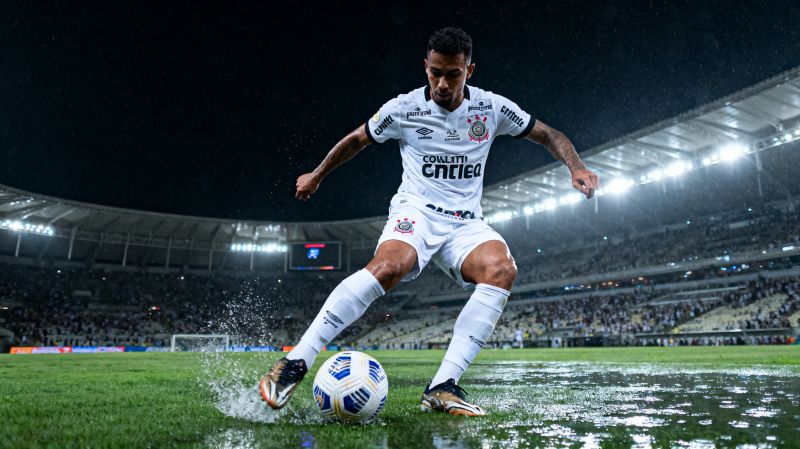
The Fagner who returned to Corinthians in 2014 was a different animal. Tite, then manager, built a system that demanded fullbacks to tuck inside and form a back three in possession. Fagner absorbed that role like a sponge. By 2015, Corinthians won the Brasileirão with the league's meanest defense—only 19 goals conceded in 38 matches. Fagner started 33 of those games. His partnership with right-sided midfielder Eduardo became a recurring pattern: Fagner overlaps, draws the defender, then cuts back to Eduardo's late runs. Simple。repeatable, devastating. I've rewatched the 2015 derby against Palmeiras three times. Fagner's diagonal ball to set up the second goal?A 25-yard laser that landed on a dime. Not spectacular. Just surgical.International football never fully embraced him. He earned seven caps for Brazil between 2016 and 2019, mostly as Dani Alves's understudy. Tite took him to the 2018 World Cup。where he played just one match—a group-stage dead rubber against Serbia. The critics said he lacked the pace for elite wingers. Maybe. But watch the 2019 Copa América final against Peru. Fagner didn't play. Brazil won 3-1. Yet in the tunnel afterward, Alves grabbed Fagner and said, according to Globo Esporte, "You pushed me every day in training. That's part of this trophy." Edge cases like Fagner rarely get statues. They get quiet respect from the people who actually share a locker room with them.At 35, Fagner still starts for Corinthians. His legs have slowed. The crosses don't whip quite as sharply. But his reading of the game has sharpened. Last month, in a 2-2 draw with Flamengo, he made a goal-line clearance in the 89th minute, then immediately pointed at the young center-back who'd been caught out of position—not yelling, just teaching. That's the Fagner most fans miss: a player who treats defending as a craft, not a chore. Brazilian football celebrates artists. Fagner is a carpenter. He measures twice, cuts once。and leaves the joint stronger than he found it. You won't see his name on many highlight compilations. You will see his fingerprints on every Corinthians team that refuses to break.